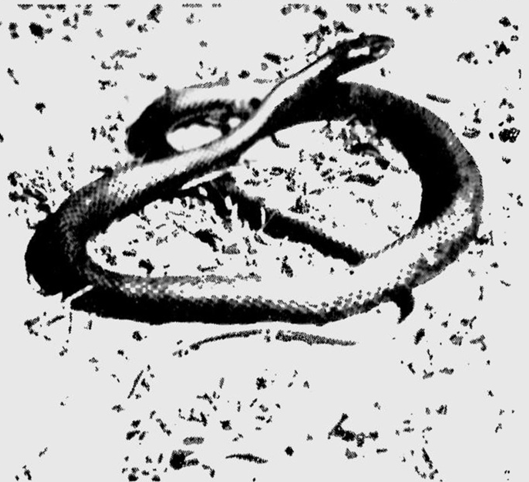
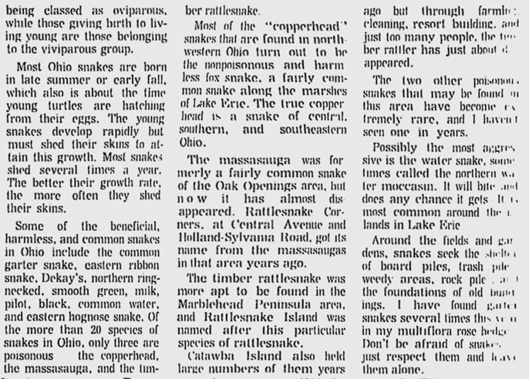
Before development, the area around present-day Central Avenue and Holland-Sylvania Road in Sylvania Township, historically known as “Rattlesnake Corners,” was a flat, marshy landscape along the edge of the historic Great Black Swamp. An ideal habitat for the Eastern Massasauga rattlesnake, or “swamp rattler,” the region consisted of wet prairie, sedge meadows, marshy ground, scattered oak openings, and poorly drained lowlands interspersed with slightly elevated prairie ridges. Tall grasses, cattails, shrubs, tamarack, and oak groves would have covered much of the land, while shallow seasonal ponds, muddy depressions, winding creeks, and groundwater-fed wetlands provided excellent overwintering habitat in crayfish burrows and saturated soils below the frost line. This blend of wetlands and nearby drier hunting areas supported abundant frogs, mice, voles, and other prey, creating an ideal environment for massasaugas long before drainage projects, farming, roads, and suburban development transformed the area.
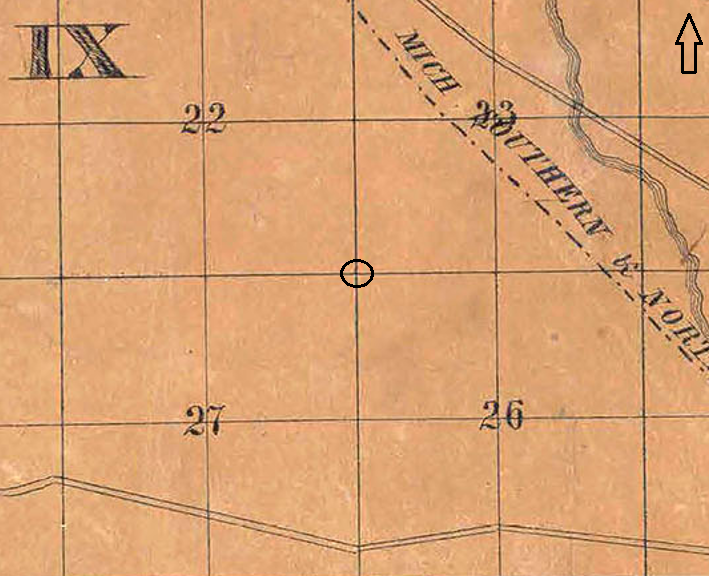
In 1855, Rattlesnake Corners in Sylvania Township would likely still have looked much like its natural pre-settlement Great Black Swamp landscape, however, this period also marked the beginning of regional drainage, logging, and road-building that would soon fragment and gradually transform the habitat in the decades that followed.
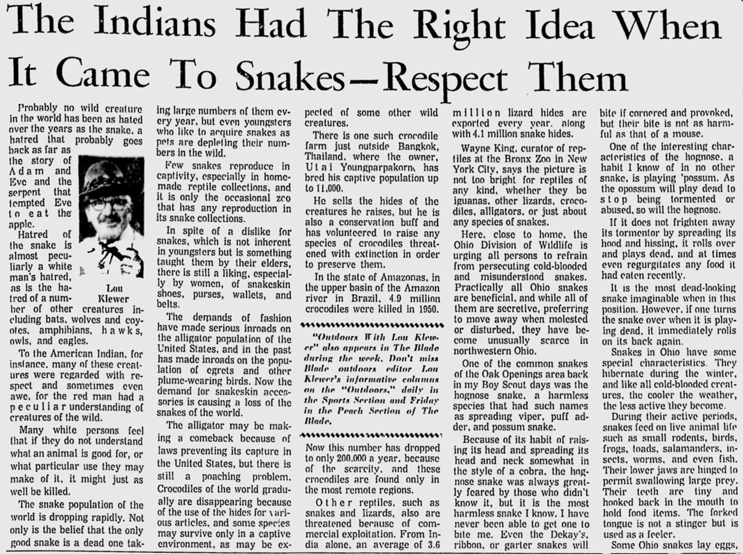
Irwin Prairie State Nature Preserve, Secor Metropark, and Wildwood Preserve Metropark together provide a glimpse of what the historic “Rattlesnake Corners” area in Sylvania Township may once have looked like before drainage and development transformed the landscape. Irwin Prairie preserves remnants of the open wet prairie and sedge meadow habitat favored by Eastern Massasauga rattlesnakes, while Secor reflects the oak openings and swampy transitional woodlands, and Wildwood represents the forested lowlands of the old Great Black Swamp ecosystem.
Of all the surviving landscapes in the Toledo region, Oak Openings Preserve Metropark and Kitty Todd Nature Preserve probably come closest to conveying the overall ecological diversity that once existed around Sylvania Township before drainage and urbanization. Walking through these areas today, especially the wet prairies, sedge meadows, and oak savannas, gives a strong sense of the type of open, wet, transitional habitat Eastern Massasauga rattlesnakes historically favored. However, even these preserves represent only fragments of what was once a vast interconnected landscape extending across much of northwest Ohio.
The Eastern Massasauga still survives in a few isolated parts of Ohio, primarily in protected wetland habitats elsewhere in the state, but populations are small and fragmented. The Eastern Massasauga is now federally listed as threatened in the United States due to habitat loss and population decline across much of its range.