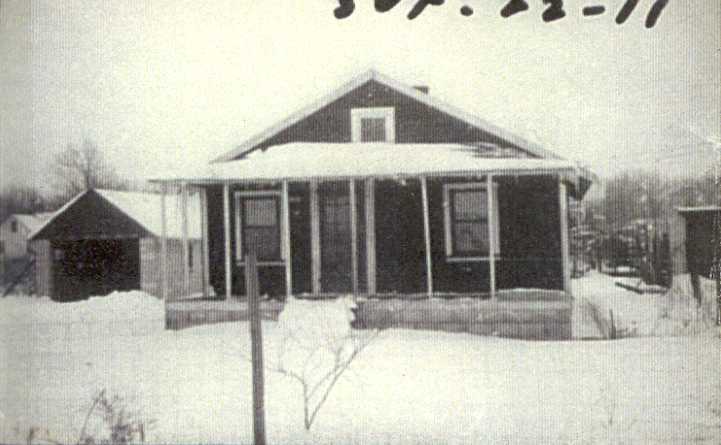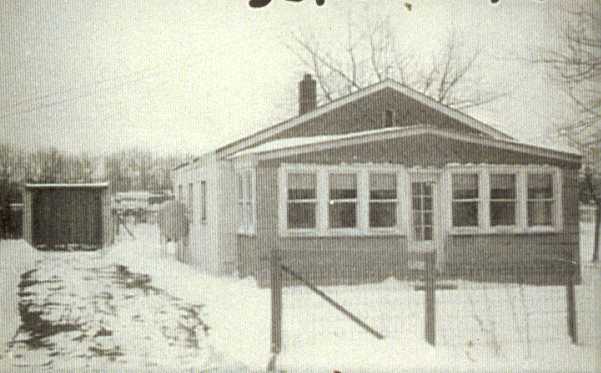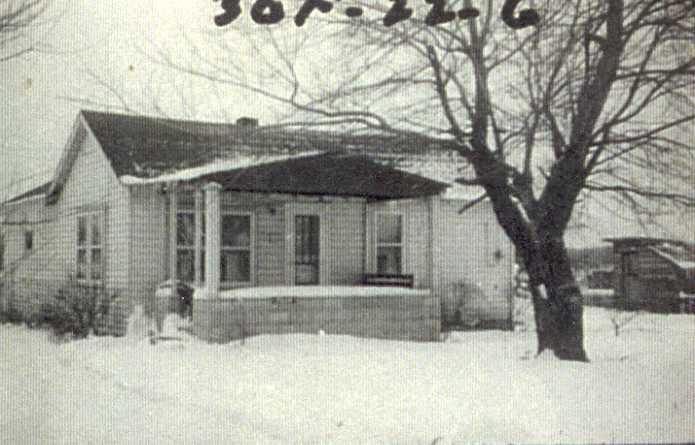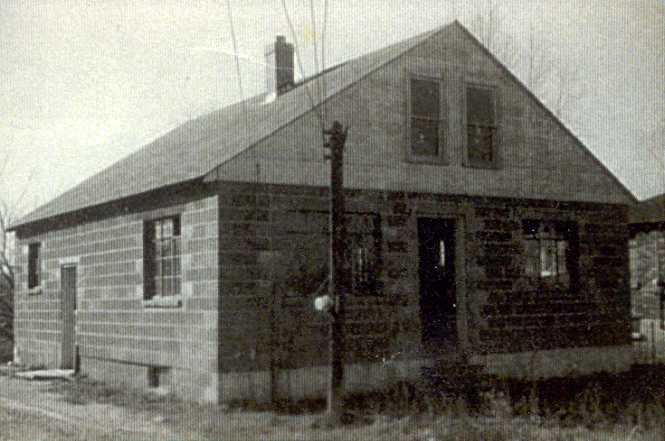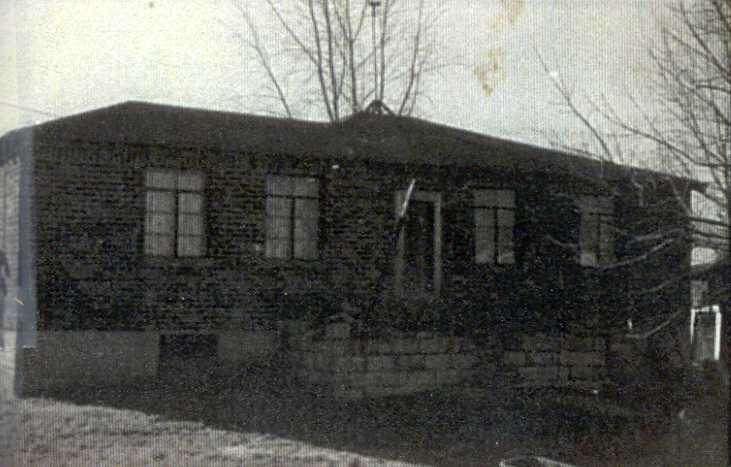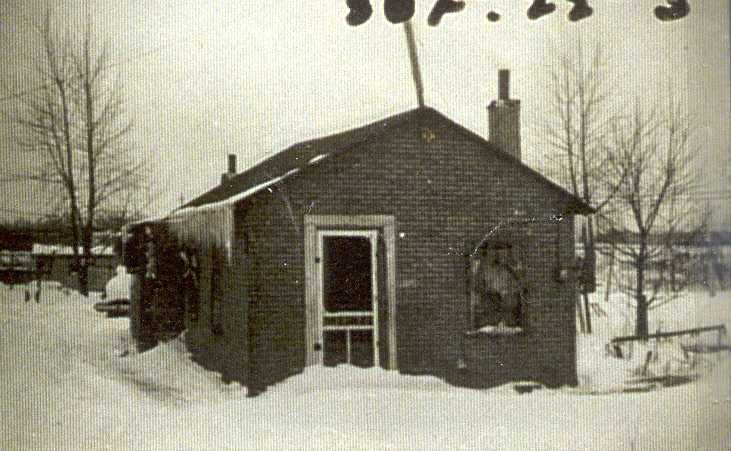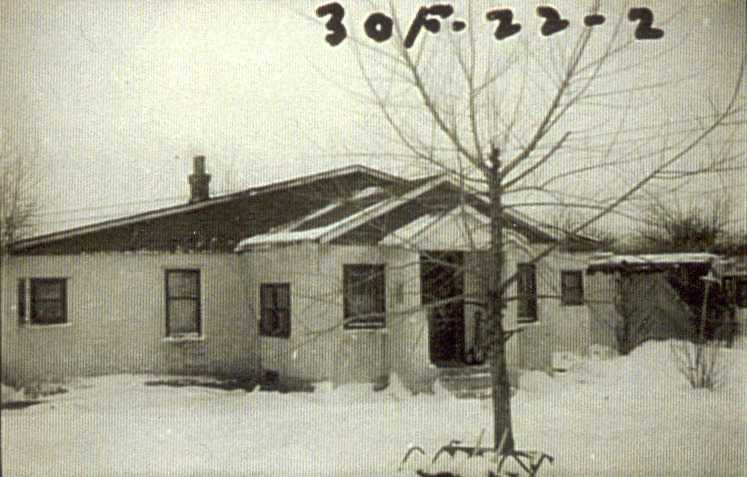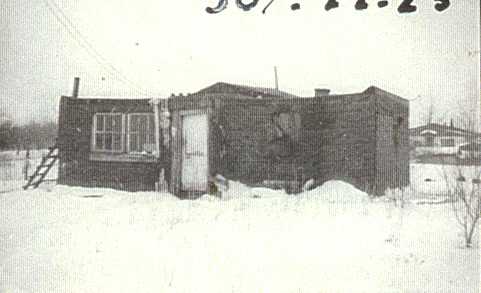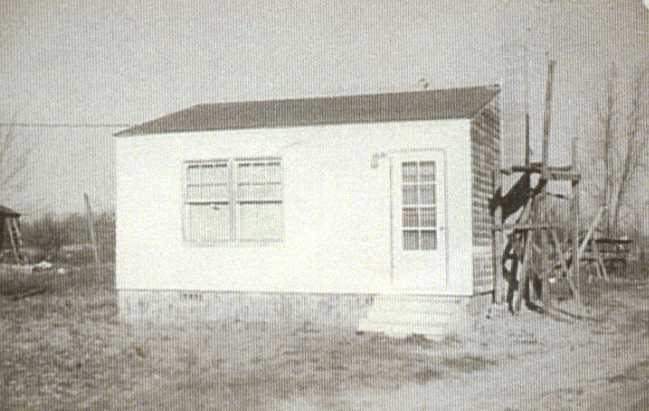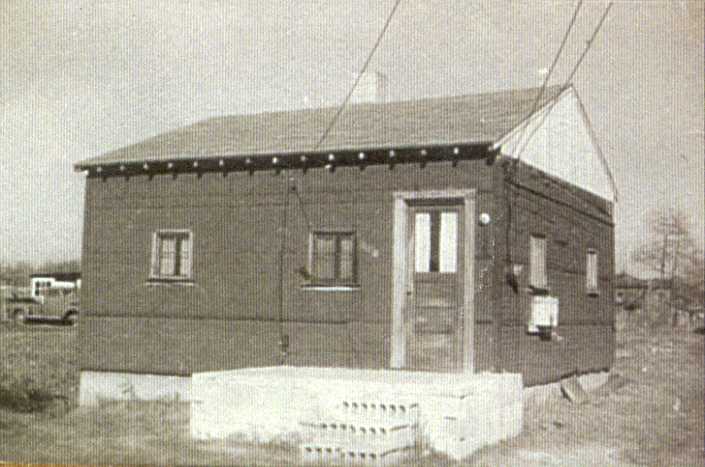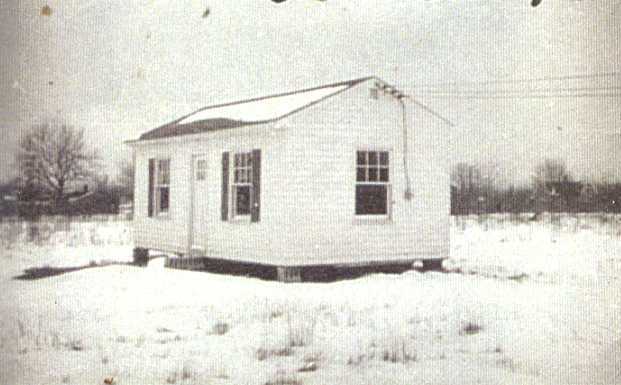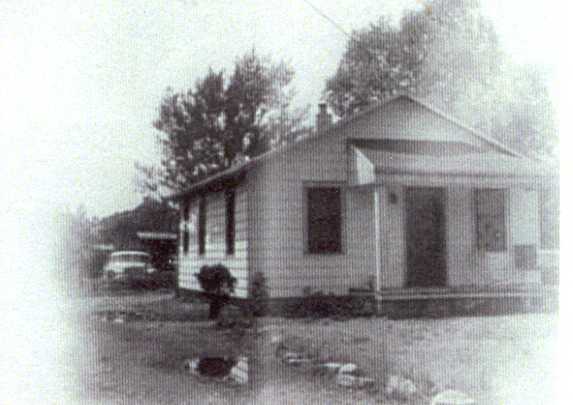
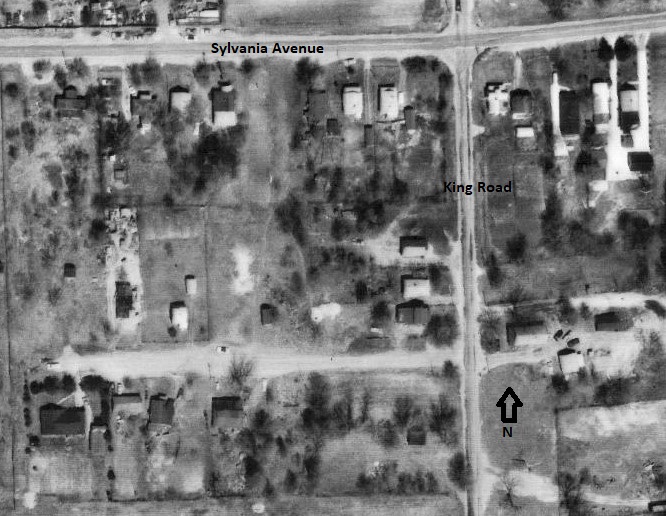
Deanville was a small residential neighborhood and historically significant African-American settlement located at the southwest corner of Sylvania Avenue and King Road in Sylvania Township.
The area appears to have originated from land owned by Edith A. Dean, for whom the community was likely named. The property was sold in 1924 to John and Myrtle Redding, and Myrtle Redding later platted the subdivision around 1944. The plat covered roughly ten acres and included 34 lots plus one exempt parcel. Several modest homes already existed before the platting and became part of the neighborhood.
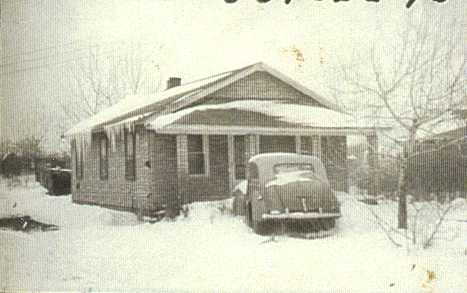
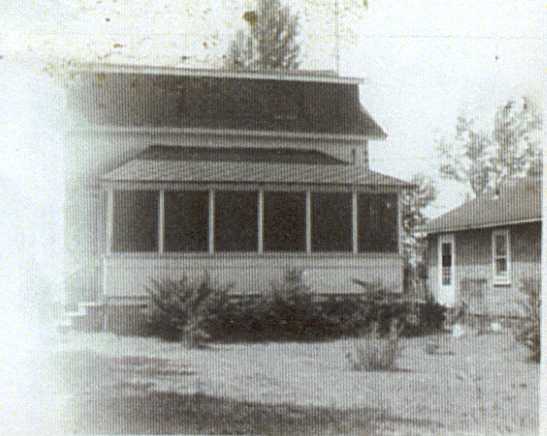
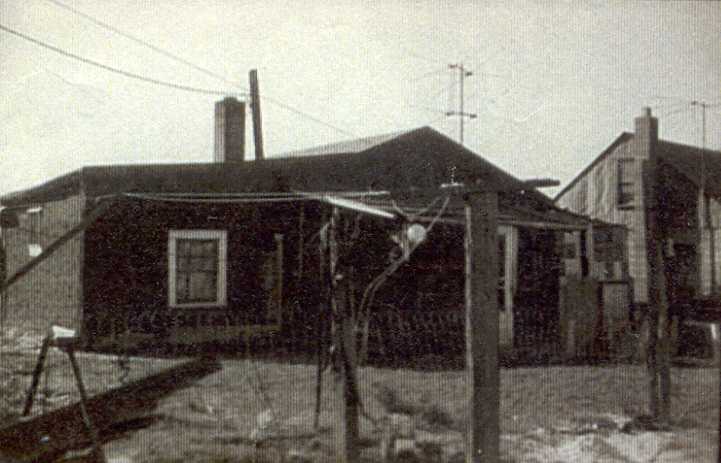
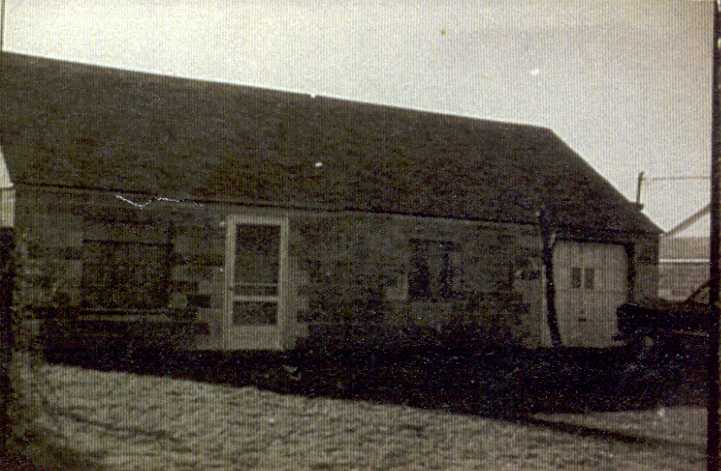
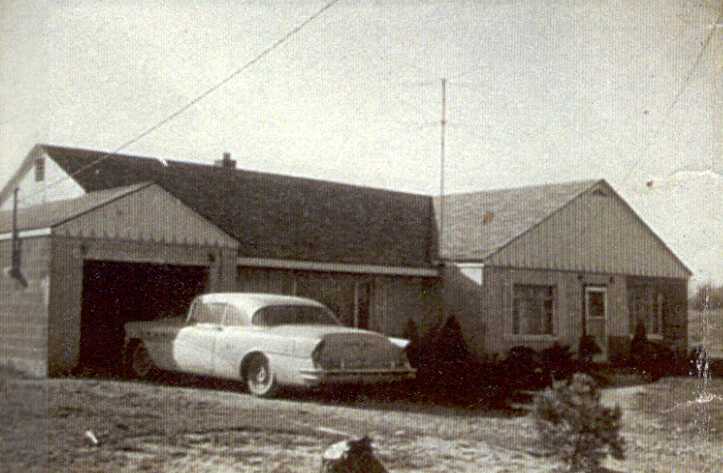
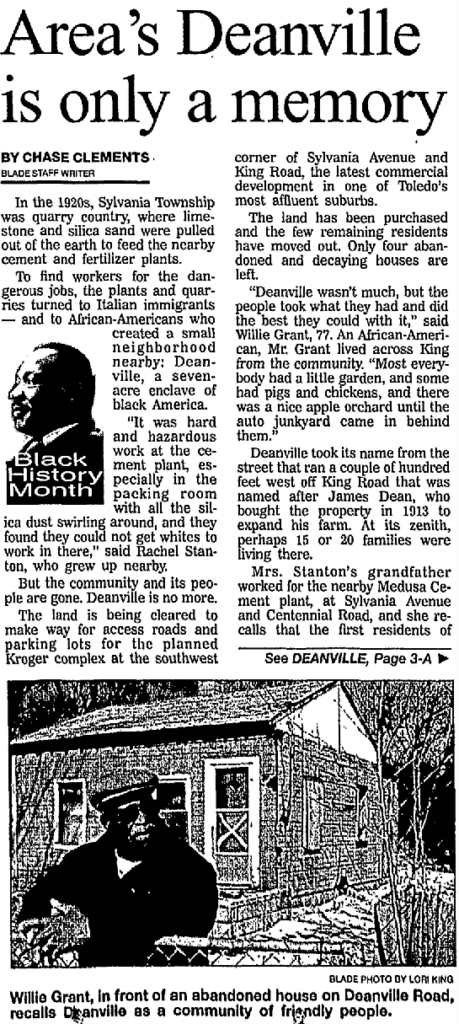
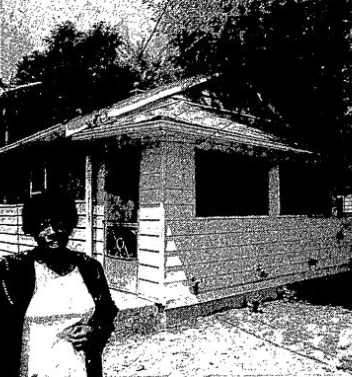
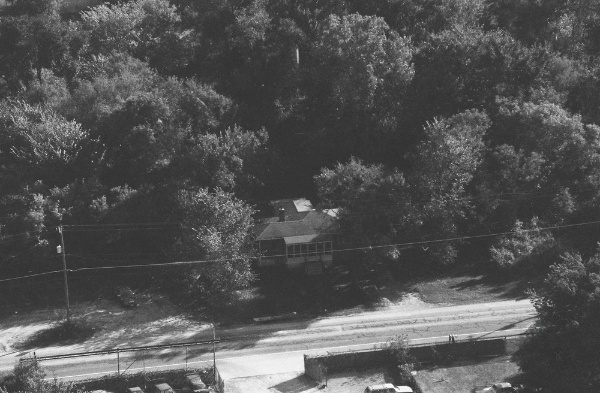
Deanville became notable because it developed into the largest Black settlement in Sylvania Township during the mid-20th century. At its height, roughly the late 1940s through the mid-1960s, the neighborhood contained about 22 homes, many of them small bungalows lining Sylvania Avenue and the interior Deanville Road. The estimated population around 1970 was about 58 residents.
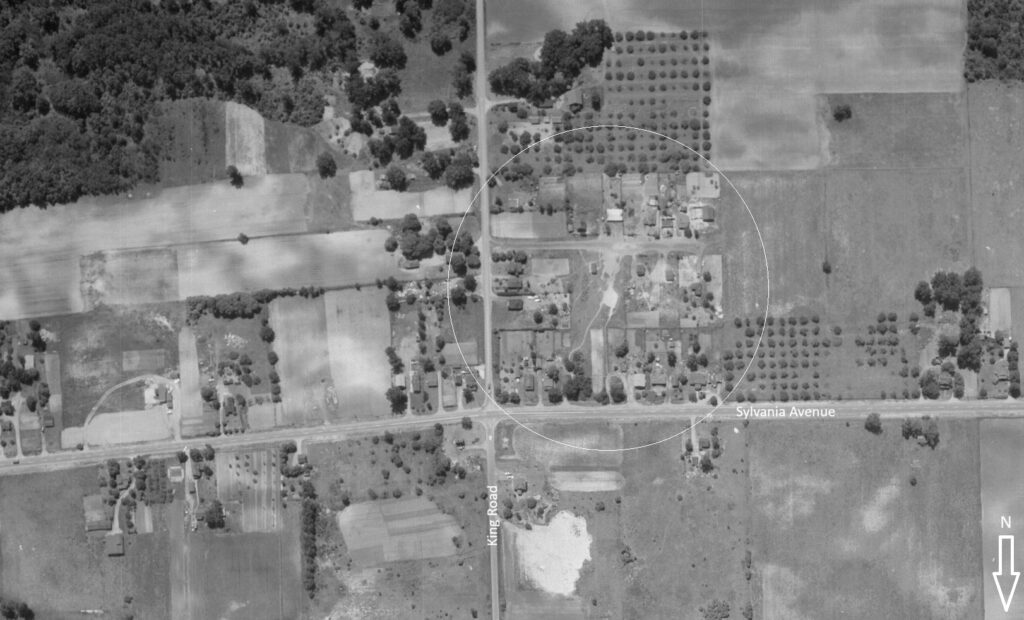
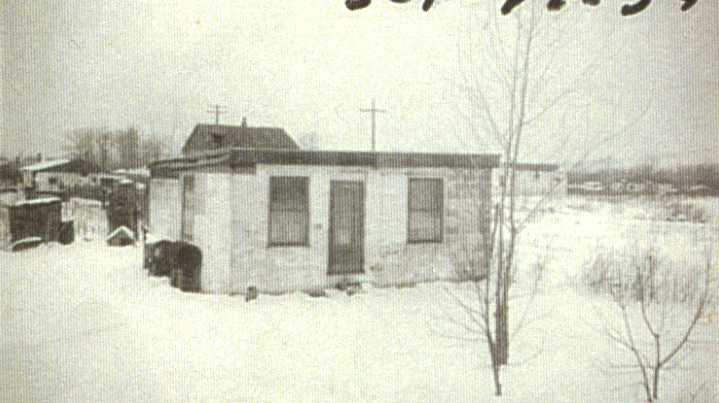
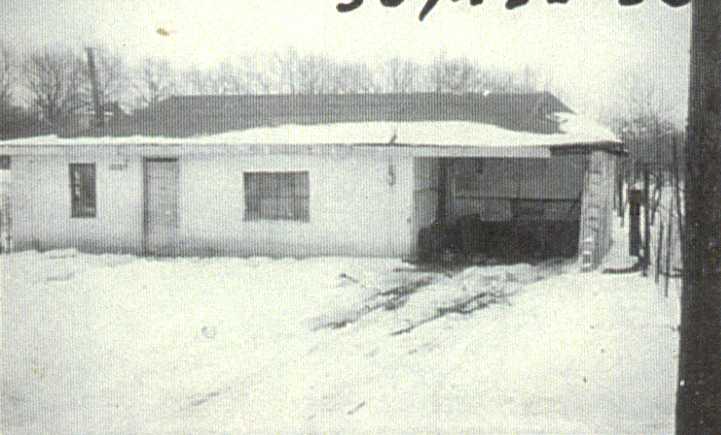
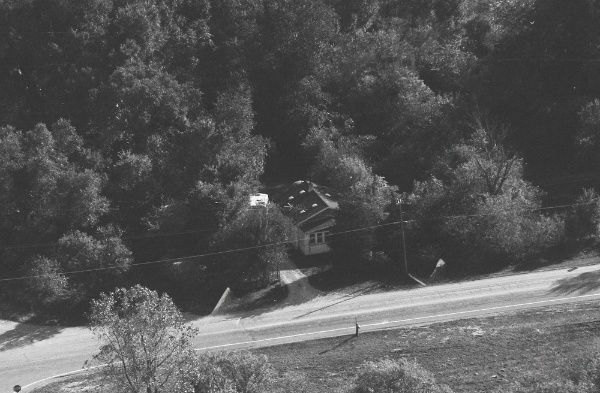
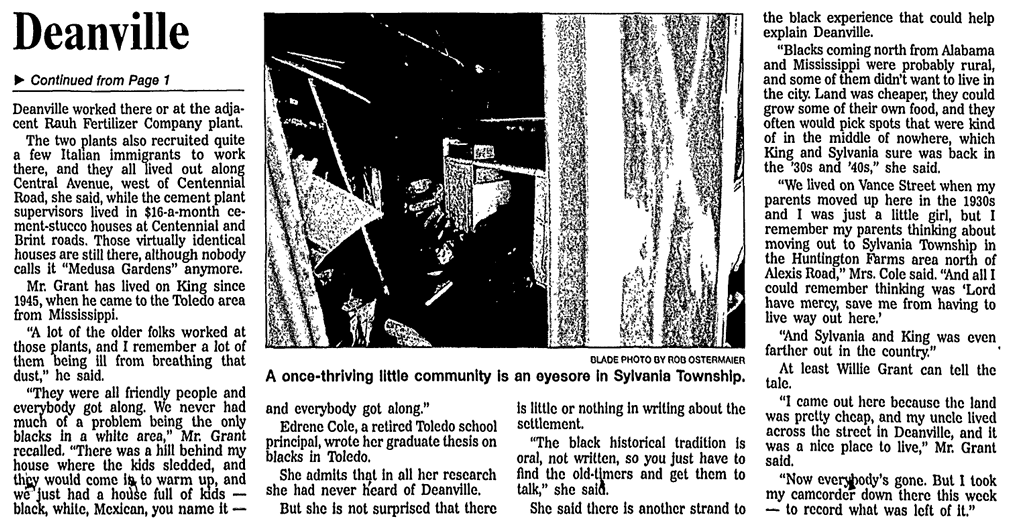
Conditions in the neighborhood were often poor. Historical accounts describe some homes as crudely built, with several lacking foundations or complete plumbing systems as late as 1970. Economic isolation and racial segregation in the Toledo area housing market likely contributed to Deanville’s development as a predominantly African-American enclave at a time when housing opportunities elsewhere were limited.
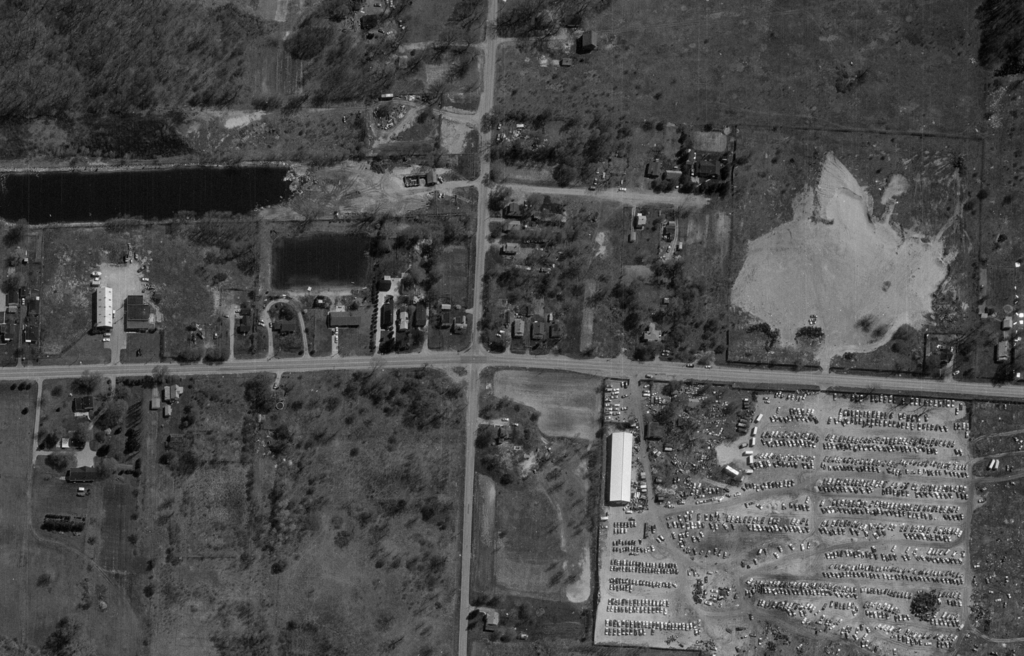
During the 1970s and 1980s, the surrounding area became increasingly industrialized. Junkyards and industrial businesses expanded nearby, making the neighborhood less desirable and accelerating population decline. Many residents moved away, homes were abandoned, and structures were gradually demolished. By the 1990s, only a handful of deteriorating houses remained.
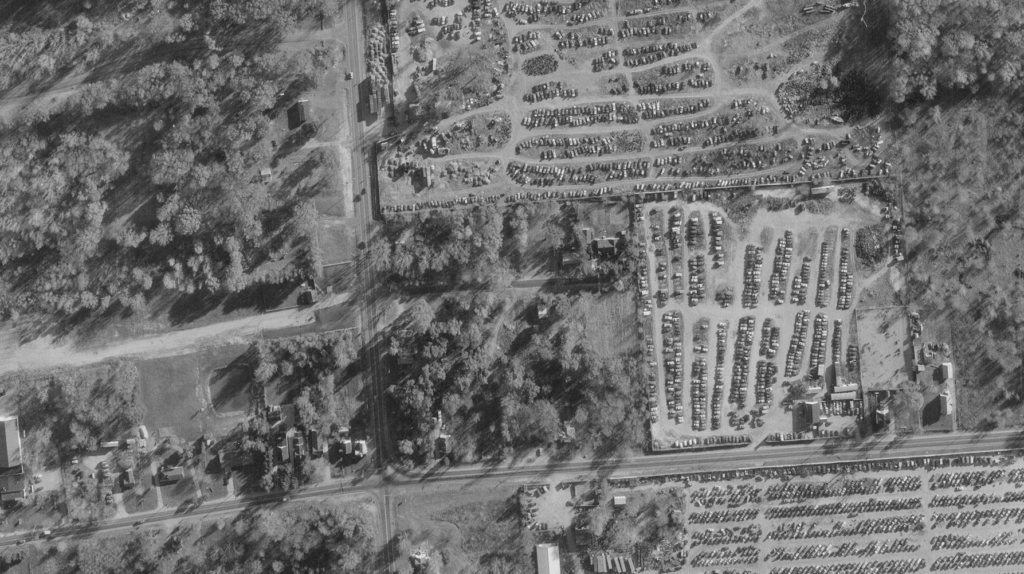
In 1999, redevelopment plans were announced for a commercial and industrial park on the site. Most remaining structures were removed around 2000, effectively erasing Deanville from the landscape.
Deanville is remembered locally as an overlooked but important part of the history of African-American settlement in northwest Ohio and the broader history of suburban development and displacement around Toledo. Today, there are no visible traces of the neighborhood, nor anything noting the locations historical significance. *
References:
*drewsager.tripod.com